
.png)
.png)
How Do You Choose the Right Sun Loungers in the UK?
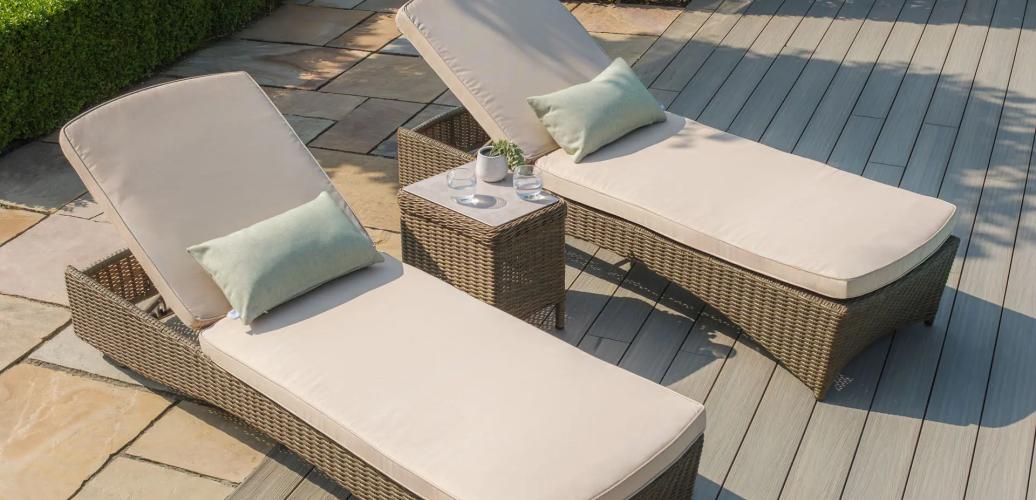
Choosing the right sun loungers can transform a garden, patio or poolside area into a comfortable and attractive place to relax. Sun loungers are suitable not only for private gardens and terraces but also for hotels, holiday properties, spas and other commercial outdoor spaces.
A well-made lounger should combine comfort, durability and practical features. In the UK, where outdoor furniture may be exposed to sunshine, rain, wind and changing temperatures, it is particularly important to choose materials designed for outdoor use.
Choosing the Right Sun Lounger Material
The material is one of the first things to consider when comparing sun loungers. Common options include aluminium, synthetic rattan, teak and weather-resistant plastic or resin.
Aluminium Sun Loungers
Aluminium is one of the most popular materials for modern sun loungers. It is lightweight, resistant to rust and relatively easy to maintain.
Its low weight makes aluminium loungers easier to move around the garden or place into storage. Powder-coated aluminium also offers a clean, contemporary appearance and is available in a variety of colours and finishes.
Check the quality of the powder coating before buying, as scratches or damaged areas may affect the furniture’s long-term appearance.
Synthetic Rattan Sun Loungers
Synthetic rattan can provide the woven appearance of traditional rattan while offering greater resistance to outdoor conditions. It is commonly wrapped around an aluminium or steel frame and is available in shades such as grey, brown, black and natural beige.
Rattan loungers can work particularly well with matching garden sofas, dining sets and side tables. Make sure the product uses synthetic rattan intended for outdoor use, as natural rattan is generally unsuitable for prolonged exposure to rain and moisture.
Teak Sun Loungers
Teak is a popular option for homeowners who prefer a traditional and natural appearance. The wood contains natural oils that help protect it from moisture and changing weather conditions.
When new, teak usually has a warm golden-brown colour. If it is left untreated outdoors, it will gradually develop a silver-grey patina. This is a natural ageing process and does not necessarily indicate that the furniture has been damaged.
Teak loungers are often heavier than aluminium models, but their weight can provide additional stability. Some designs include wheels to make repositioning easier.
Plastic and Resin Sun Loungers
Plastic and resin loungers are often among the most affordable and practical options. They are lightweight, easy to clean and suitable for gardens, pool areas, rental properties and commercial spaces.
Look for UV-resistant materials that are less likely to fade or become brittle after regular exposure to sunlight. Stackable plastic loungers can also be useful when several pieces need to be stored together.
Comfort and Adjustability
Comfort should be one of the main priorities when selecting a sun lounger. An adjustable backrest allows you to change the seating position depending on whether you want to read, sit upright or lie almost completely flat.
Some loungers offer several reclining positions, while others use a continuous adjustment system. Check that the mechanism feels secure and is easy to operate.
Ergonomic features may include:
- Contoured seating
- Supportive armrests
- Adjustable backrests
- Leg support
- Padded headrests
- Integrated wheels
- Breathable fabric panels
A lounger should be long and wide enough to provide suitable support. Always review the product dimensions rather than relying only on photographs.
Choosing Suitable Cushions
Cushions can make a sun lounger considerably more comfortable, particularly when it has a solid aluminium, wooden or rattan base.
Look for cushions made with fabrics intended for outdoor use. Useful features include water resistance, UV protection and removable covers that can be washed.
Water-resistant does not necessarily mean fully waterproof. Most outdoor cushions should be stored indoors or inside a dry, ventilated storage box during heavy rain and extended periods of bad weather.
Avoid putting damp cushions into an enclosed storage box, as this can lead to mould, mildew and unpleasant smells.
Weather Resistance in the UK
Sun loungers used in the UK should be capable of coping with more than direct sunlight. Rain, moisture, wind and temperature changes can all affect outdoor furniture.
Quality loungers should use materials that resist:
- Rust and corrosion
- Fading from sunlight
- Moisture damage
- Mould and mildew
- Cracking or warping
- General outdoor wear
Aluminium frames and synthetic outdoor fabrics generally require less maintenance than many natural materials. Wooden loungers may need periodic treatment, depending on the type of timber and the appearance you want to maintain.
Even weather-resistant furniture will benefit from being cleaned and protected correctly.
Sun Loungers for Small Outdoor Spaces
A compact garden, balcony or terrace can still accommodate a comfortable sun lounger if the dimensions are chosen carefully.
Foldable loungers are useful where storage space is limited. Some designs can be folded flat and placed inside a shed, garage or storage cupboard when they are not being used.
Stackable loungers are another practical option, particularly when you need several seats but do not want them to occupy the whole space throughout the year.
Before purchasing a lounger for a balcony, check the available floor area and ensure that doors can still open freely. You should also confirm that the balcony can safely support the furniture and intended use.
Sun Loungers for Larger Gardens and Pool Areas
Larger gardens and swimming-pool areas may have enough space for several loungers arranged together.
Adding small side tables can provide a convenient place for drinks, books and personal belongings. Parasols or pergolas can provide shade during warmer weather, while outdoor storage can help keep cushions and covers organised.
Leave enough room between each lounger for people to move comfortably. The area should not feel crowded when the loungers are fully reclined.
For poolside use, choose materials that are easy to clean and resistant to moisture. Aluminium, Textilene and suitable synthetic rattan are popular options because they dry relatively quickly and require limited maintenance.
Coordinating Your Outdoor Design
The sun loungers should complement the overall appearance of your garden or patio.
Modern outdoor spaces may suit slim aluminium frames, neutral fabrics and clean lines. Traditional gardens may work better with teak or other wooden loungers.
Colours such as grey, beige, cream and taupe are versatile and coordinate easily with most garden furniture. Darker shades can create a contemporary appearance, while brighter cushions can introduce colour and personality.
You may also choose loungers that coordinate with an existing outdoor dining set, sofa arrangement or pergola.
Commercial Sun Loungers
Durability is especially important when purchasing sun loungers for hotels, restaurants, spas, holiday properties and resorts.
Commercial loungers may be used frequently by many different people, so they should have strong frames, durable adjustment mechanisms and surfaces that are easy to clean.
Useful commercial features may include:
- Stackable construction
- Replaceable fabric panels
- Wheels for easy movement
- High weight capacity
- Quick-drying materials
- Easy-clean surfaces
- Availability of replacement parts
Businesses should also consider fire-safety requirements, accessibility and the amount of storage available outside the main season.
Cleaning and Maintenance
Regular maintenance can help preserve the appearance and performance of sun loungers.
Aluminium and plastic frames can usually be cleaned with warm water, mild soap and a soft cloth. Synthetic rattan may be cleaned carefully with a soft brush to remove dirt from between the weave.
Avoid using abrasive cleaners, stiff brushes or pressure washers, as these may damage protective finishes and woven materials.
Teak can be cleaned using mild soap and water. If you prefer its natural silver-grey appearance, it can usually be left untreated. To maintain more of the original golden colour, use a suitable teak protector according to the manufacturer’s instructions.
Check screws, wheels, reclining mechanisms and other fittings periodically. Tightening loose components can help keep the lounger stable and safe.
Protecting Sun Loungers During Winter
Some sun loungers can remain outside throughout the year, but storing or covering them during winter can reduce cleaning and exposure to harsh conditions.
Furniture covers should be breathable and correctly sized. A cover that traps moisture may encourage condensation and mould.
Make sure the loungers are clean and dry before covering them for an extended period. Lightweight loungers should also be secured or placed somewhere sheltered during strong winds.
Cushions should normally be stored in a dry indoor space.
What to Check Before Buying
Before ordering sun loungers online, review:
- The frame and seating materials
- Overall dimensions
- Weight capacity
- Available reclining positions
- Whether cushions are included
- Whether the lounger folds or stacks
- Assembly requirements
- Maintenance instructions
- Delivery charges and times
Customer reviews may provide useful information about comfort, stability, ease of assembly and colour accuracy.
Finding Sun Loungers at GardenFurnitureBrands
GardenFurnitureBrands offers sun loungers for a range of outdoor settings, from compact patios to larger gardens and commercial leisure spaces.
The available styles may include modern aluminium loungers, synthetic rattan designs, wooden models and practical stackable options.
Before making your final choice, consider the material, comfort features, available space and maintenance requirements. A carefully selected sun lounger can make your outdoor area more comfortable and encourage you to spend more time enjoying your garden.
Explore the sun lounger collection available from GardenFurnitureBrands to find a design that suits your outdoor space, preferred style and practical needs.
0 comment(s)