

.png)
.png)

From Patio to Paradise: Outdoor Kitchens UK Inspiration
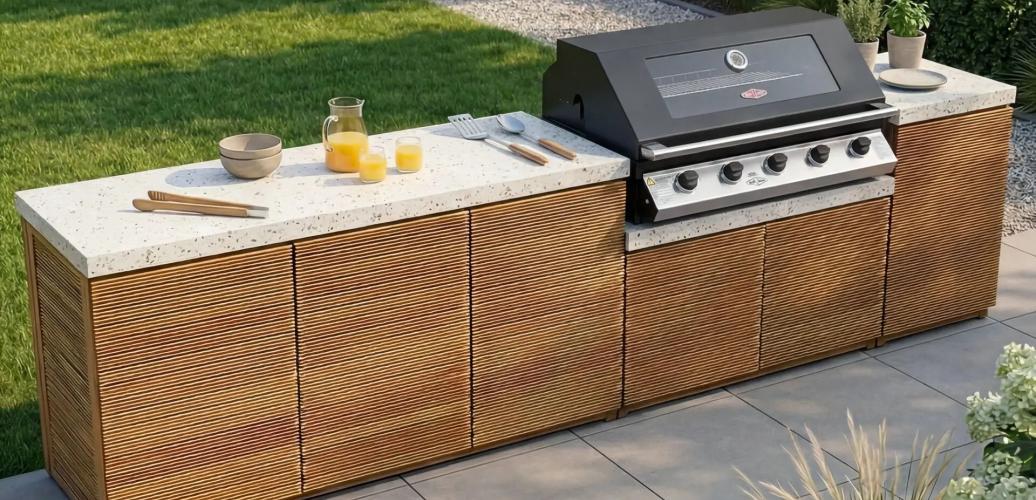
Creating a protected and comfortable outdoor space allows homeowners across the UK to make better use of their gardens, patios and terraces throughout the year. An outdoor kitchen can transform an ordinary patio into a practical extension of the home, providing a dedicated place to cook, dine and socialise with family and friends.
With the right design, an outdoor kitchen can become the focal point of your garden and support everything from relaxed family meals to larger summer gatherings.
Embracing Outdoor Living in the UK
Outdoor dining and entertaining have become increasingly popular across the UK. When the weather is pleasant, gardens naturally become places where family and friends gather for barbecues, lunches, drinks and evening meals.
A well-planned outdoor kitchen allows you to prepare food, serve guests and relax without repeatedly moving between the house and garden. This can make entertaining more convenient and allow the person cooking to remain part of the conversation.
Outdoor kitchens can also be designed around your preferred style of cooking. You may want a traditional charcoal barbecue, a convenient gas grill, a pizza oven or a combination of different appliances. The design can be kept simple or developed into a complete outdoor cooking and dining area.
Key Elements of an Outdoor Kitchen
Creating a functional outdoor kitchen begins with careful planning. The most successful designs combine practical cooking equipment, durable materials, comfortable furniture and appropriate protection from the British weather.
Built-in Barbecue or Grill Station
A built-in barbecue or grill is often the centrepiece of an outdoor kitchen. Gas grills offer convenience and accurate temperature control, while charcoal grills create a more traditional cooking experience and distinctive flavour.
A wood-fired pizza oven can provide additional versatility, allowing you to prepare pizzas, bread, roasted vegetables and other dishes outdoors. Before installing any cooking equipment, check the manufacturer’s ventilation and safety requirements.
Durable Worktops and Cabinetry
Outdoor kitchen materials must be able to cope with rain, moisture, temperature changes and exposure to sunlight. Granite, porcelain, stainless steel and suitable composite materials are popular choices because they are durable and relatively easy to maintain.
Cabinets should be specifically designed for outdoor use. Standard indoor kitchen units may absorb moisture, swell or deteriorate when exposed to changing weather conditions.
Practical Storage
Weather-resistant cupboards and drawers can keep cooking utensils, crockery and accessories organised and protected. Good storage reduces the need to carry equipment between the kitchen and garden every time you cook outside.
Items that are sensitive to damp conditions should still be stored indoors or in sealed containers during the winter.
Comfortable Dining and Lounge Furniture
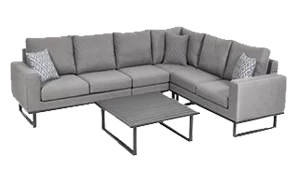
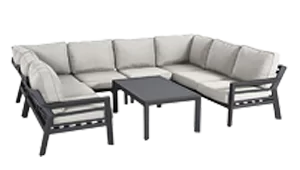
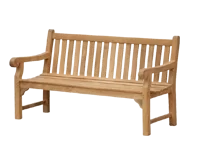
The kitchen is only one part of the outdoor entertaining space. Dining tables, chairs, bar stools, benches and lounge furniture can help create a complete and welcoming area.
GardenFurnitureBrands offers furniture suitable for a variety of outdoor kitchen styles, helping homeowners create spaces that are comfortable, practical and visually coordinated.
Designing for Style and Flow
An outdoor kitchen should feel like a natural extension of the home rather than a completely separate area. Consider using colours, textures and materials that complement your property and existing garden design.
Contemporary homes may suit clean lines, neutral shades and stainless-steel finishes. More traditional properties may work well with natural stone, brick, timber details and warmer colours.
The layout should also support a logical flow between preparation, cooking, serving and dining areas. There should be enough space to move safely around hot appliances while keeping guests away from the main cooking zone.
Outdoor Lighting
Lighting is essential if you plan to use the kitchen in the evening. Task lighting around the grill and worktops will help you prepare food safely, while softer lighting can create a comfortable atmosphere around the dining and seating areas.
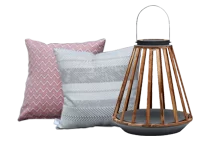
Options may include LED strips beneath worktops, wall lights, pendant lights, lanterns and garden spotlights. All electrical fittings should be suitable for outdoor use and installed safely.
Making the Most of Small Spaces
You do not need a large garden to create a useful outdoor cooking area. Compact modular kitchens can work well on smaller patios, courtyards and terraces.
A simple design might include a freestanding barbecue, narrow preparation surface and compact storage unit. Folding tables, corner layouts and multifunctional furniture can help maximise the available space.
Before installing an outdoor kitchen on a balcony, check building regulations, fire-safety requirements and any restrictions imposed by the freeholder, landlord or property management company.
Designing Larger º
Larger gardens can accommodate more extensive layouts with additional features such as sinks, refrigerators, wine coolers, ice makers and bar areas.
An island or L-shaped layout can provide additional preparation space and allow guests to sit nearby without entering the cooking area. A dedicated dining zone and separate lounge area can help divide the garden into functional spaces.
The right design will depend on how you intend to entertain. A compact dining arrangement may be enough for family meals, while larger households may benefit from an extendable table and more flexible seating.
Preparing for British Weather
Unlike warmer climates, the UK experiences frequent rain and cooler conditions, so suitable shelter is an important part of outdoor-kitchen design.
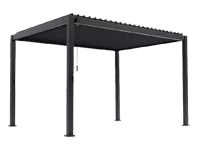
Pergolas, retractable awnings and roofed structures can provide protection from light rain and strong sunlight. A bioclimatic pergola with adjustable roof slats may offer greater control over shade and ventilation.
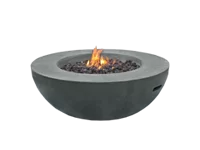
Outdoor heaters, fire pits and comfortable blankets can help make the area more enjoyable on cooler evenings. However, heating and cooking appliances should only be used in spaces with sufficient ventilation and according to the manufacturer’s safety instructions.
During the winter, appliances, furniture and worktops should be cleaned and protected. Water supplies may need to be isolated and drained to prevent pipes or taps from being damaged by freezing temperatures.
Maintenance and Care
Regular maintenance will help keep an outdoor kitchen safe and attractive. Worktops should be cleaned after use, grease should be removed from cooking appliances, and cabinets should be checked for signs of moisture or damage.
Protective covers can be useful, but they should fit properly and allow some airflow to reduce trapped condensation. Cushions and soft furnishings should normally be stored somewhere dry when they are not being used.
It is also important to check gas connections, electrical fittings and plumbing periodically. Any repairs involving gas or electricity should be completed by an appropriately qualified professional.
Creating Your Ideal Outdoor Space
Adding an outdoor kitchen is not only about improving the appearance or potential value of a property. It can also change how you use your garden by providing more opportunities to cook, relax and spend time with other people.
The best outdoor kitchens are designed around the homeowner’s space, lifestyle and preferred way of entertaining. Whether you choose a compact barbecue station or a fully equipped garden kitchen, careful planning will help ensure the area remains practical and enjoyable.
GardenFurnitureBrands offers a wide selection of outdoor dining sets, lounge furniture, bar stools and accessories that can complement an outdoor kitchen and help you create a comfortable, coordinated garden space.
0 comment(s)